



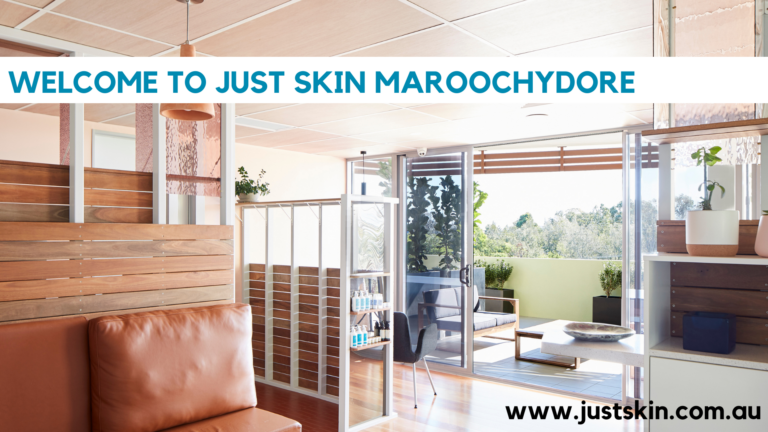
Video | Welcome to Just Skin Maroochydore
Come with us and visit our Maroochydore Clinic in Queensland through the eyes of our patients.
Video | Why is SXRT a good option for skin cancers?
Join Dr Dicks as he discusses the reasons why SXRT is a great option for treating skin cancers.
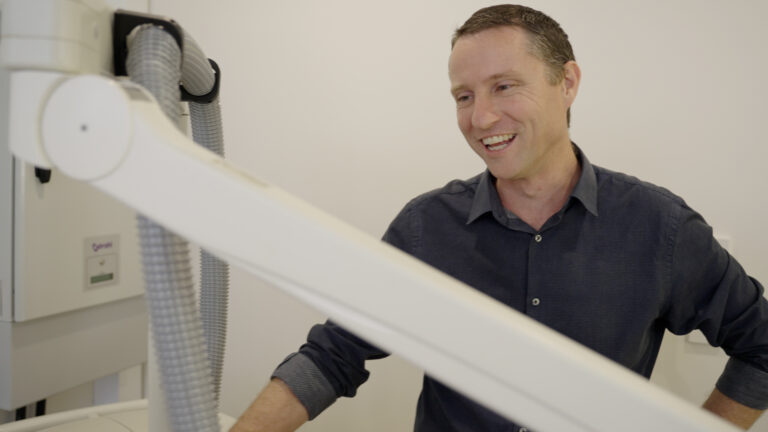
Introducing our Machine
Just Skin uses SXRT technology to treat skin cancer. In this video, Martin our Managing Director walks us through our Xstrahl 100’s uses, functions and benefits.
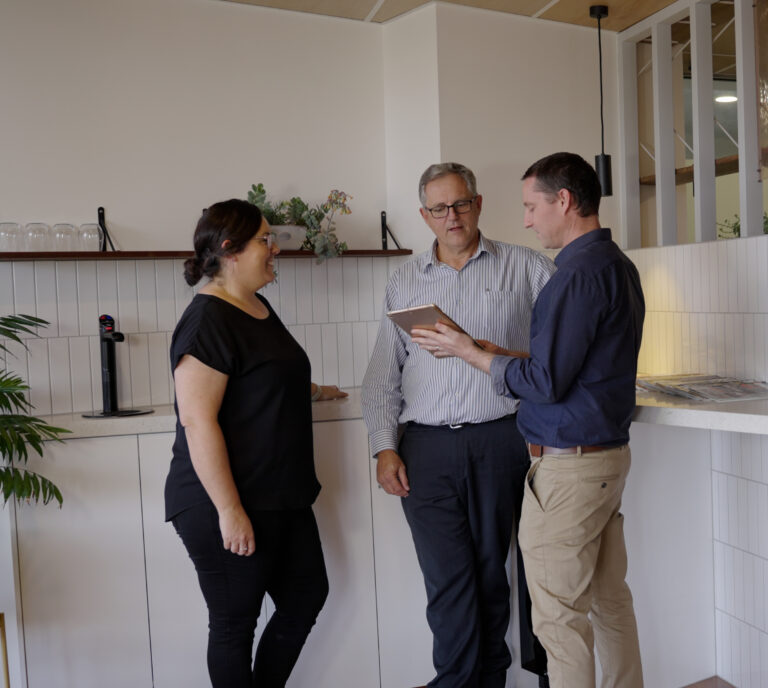
Introducing Just Skin
Just Skin Treatment Clinic opened in 2017. We now have 4 clinics located in Maroochydore, Gympie, Noosa and Toowoomba, and have treated thousands of skin cancers with SXRT.
In this Video our General Manager Joanna introduces us to Just Skin, what we do, and why we do it.
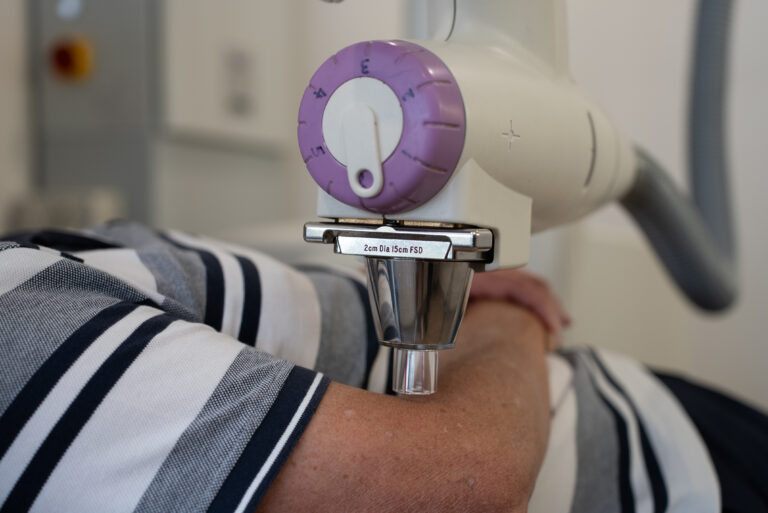
What is Superficial X-ray Therapy?
When it comes to radiotherapy there is plenty of room for miscommunication and misunderstanding. Not all radiation is the same, and not all applications of radiation are suited to skin cancer. To avoid confusion, here are five things to consider.
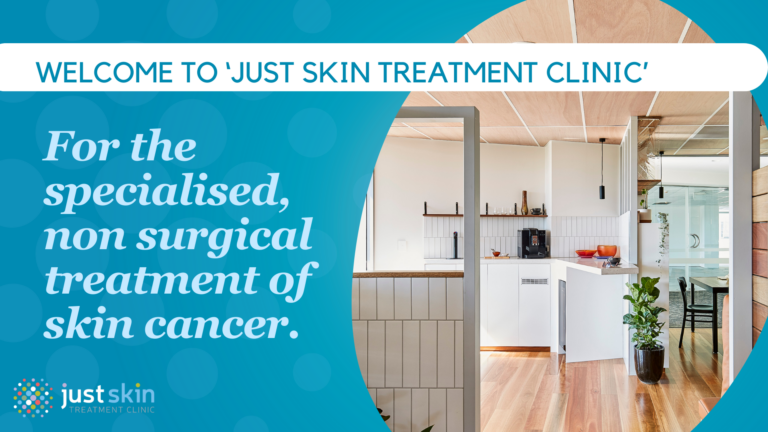
Welcome to Just Skin Treatment Clinic
Welcome to our Maroochydore Clinic. Have you ever wondered what the process of coming for SXRT treatment at one of our clinics is like? This video gives you a little glimpse.
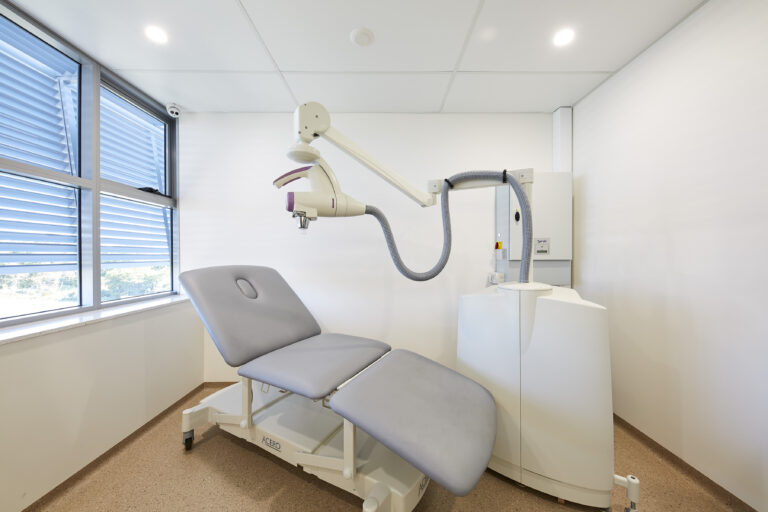
How does a Superficial X-ray Therapy Machine work?
There are many types of radiation therapy machines, each suited to a different purpose. Some create radiation strong enough to go through an entire body, some barely penetrate deeper than the first few millimeters of skin. The machines at Just Skin fall into the later category which can dramatically reduce side effects by minimizing irradiation to healthy tissues.
Producing this radiation safely and consistently requires many finely engineered parts working together.
At Just Skin we use an Xstrahl 100 machine. In this post, Kurt Byrnes our Medical Physicist explains how these machines work.